Blackjack Articles and Guides
A growing collection of strategy explainers, chart walkthroughs, and practical reads on how to approach the blackjack table with discipline.
Latest in Blackjack
Strategy charts, decision breakdowns, and guides covering the fundamentals that shape long-term play at the blackjack table.
-
Blackjack
Blackjack Basic Strategy Chart: A Comprehensive Guide
Blackjack is one of the most popular card games in the world, both in casinos and online. To maximize your chances, it pays to understand the chart.
Read More → -
Blackjack
Understanding the Basic Strategy Chart in Blackjack
A closer look at the layout of a basic strategy chart and how each cell maps to the right call based on the dealer's upcard.
Read More → -
Blackjack
Blackjack Chart: A Comprehensive Guide
Practical examples of how to read the chart during play and why a consistent reference can simplify in-the-moment decisions.
Read More →
Explore More Topics
Move between strategy deep dives and platform reviews across the site.
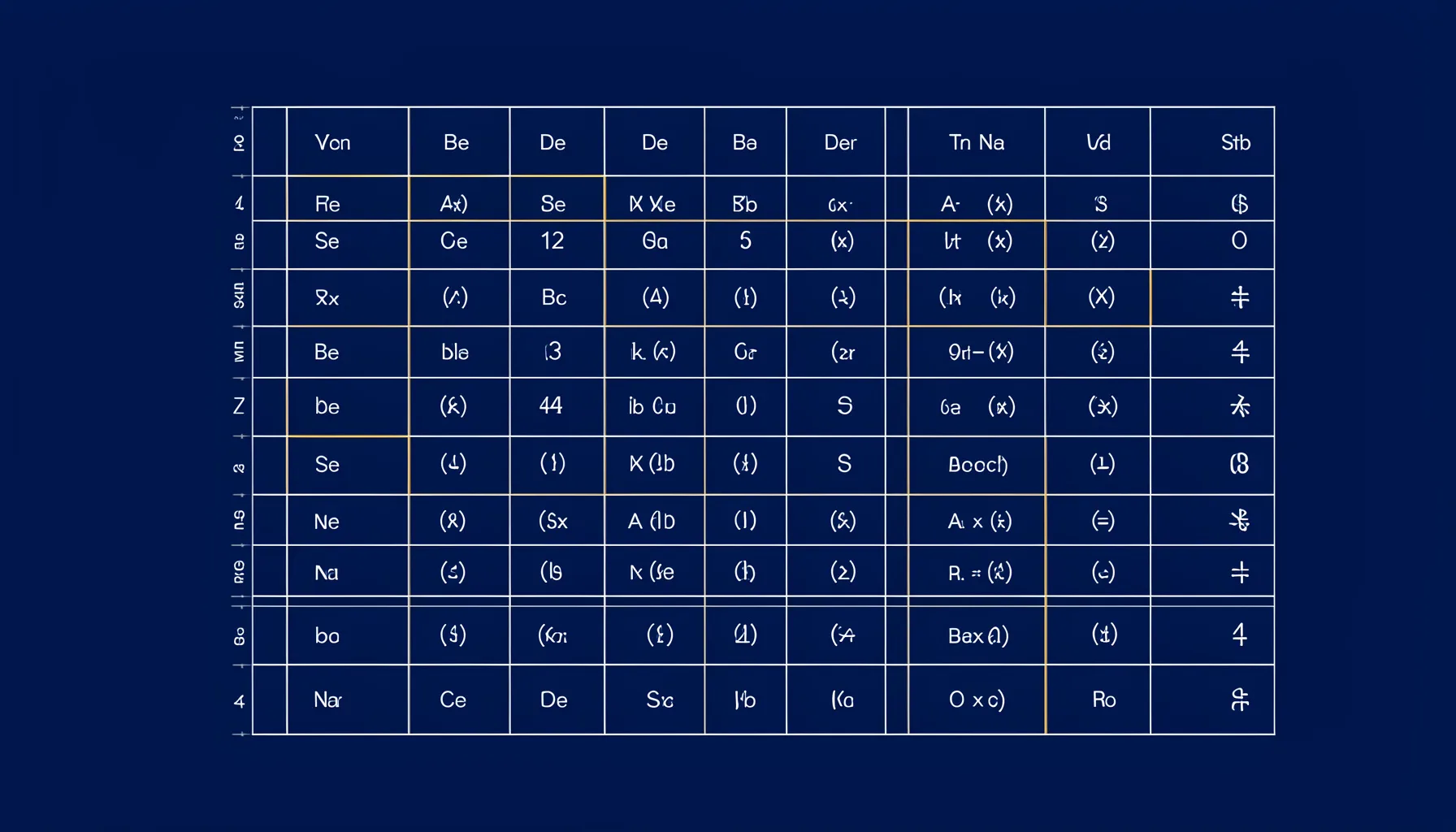
A solid blackjack basic strategy chart distills the decision-making process at the table into a simple visual reference. By mapping each possible player hand against the dealer's up card, the chart highlights the statistically sound choice for every situation, from hits and stands to doubles and splits. Treating the chart as a training tool rather than a crutch helps players internalize the logic, allowing faster, more confident play once they are seated at a live table. Over time, the discipline of following the chart tends to smooth out variance and supports a steadier long-term approach to the game without relying on guesswork or instinct alone.
Reading a basic strategy chart becomes much easier once a player understands the conventions used to present the information. Rows typically represent the player's total or possible hand combinations, while columns show the dealer's visible card. The intersection points then indicate the recommended action, expressed through short abbreviations that become second nature with practice. Learning to scan the chart quickly is a skill that pays off during fast-paced hands, where hesitation can interrupt the rhythm of play. Familiarity with the layout also helps players branch into related topics, such as chart variations that account for rule differences, deck counts, or specific table conditions found across different gaming environments.
Beyond the core decisions of hit, stand, double, and split, a well-constructed basic strategy guide often includes notes on softer hands, pairs, and surrender options where available. These subtle distinctions separate a casual understanding from a more thorough grasp of the game, and they reflect the kind of detail that experienced players incorporate into their routines. Studying these nuances alongside regular chart review reinforces muscle memory and reduces the temptation to deviate from the recommended play under pressure. Combined with sensible bankroll habits and steady table selection, attention to these finer points contributes to a more measured and enjoyable blackjack experience for those who treat strategy as a long-term discipline rather than a shortcut.
For newcomers to blackjack, approaching the basic strategy chart in stages can make the learning curve feel more manageable. Starting with the most common hand totals and the dealer's strongest up cards builds a foundation that can later be expanded into less frequent situations. Pairing chart study with short practice sessions, whether through casual play or simulated hands, helps translate theory into reflex. As confidence grows, players often find that the chart fades into the background of their decision process, guiding choices almost automatically. This gradual absorption of strategy knowledge aligns well with a broader philosophy of patient, informed play that values consistency and clarity over flashy or impulsive moves at the table.